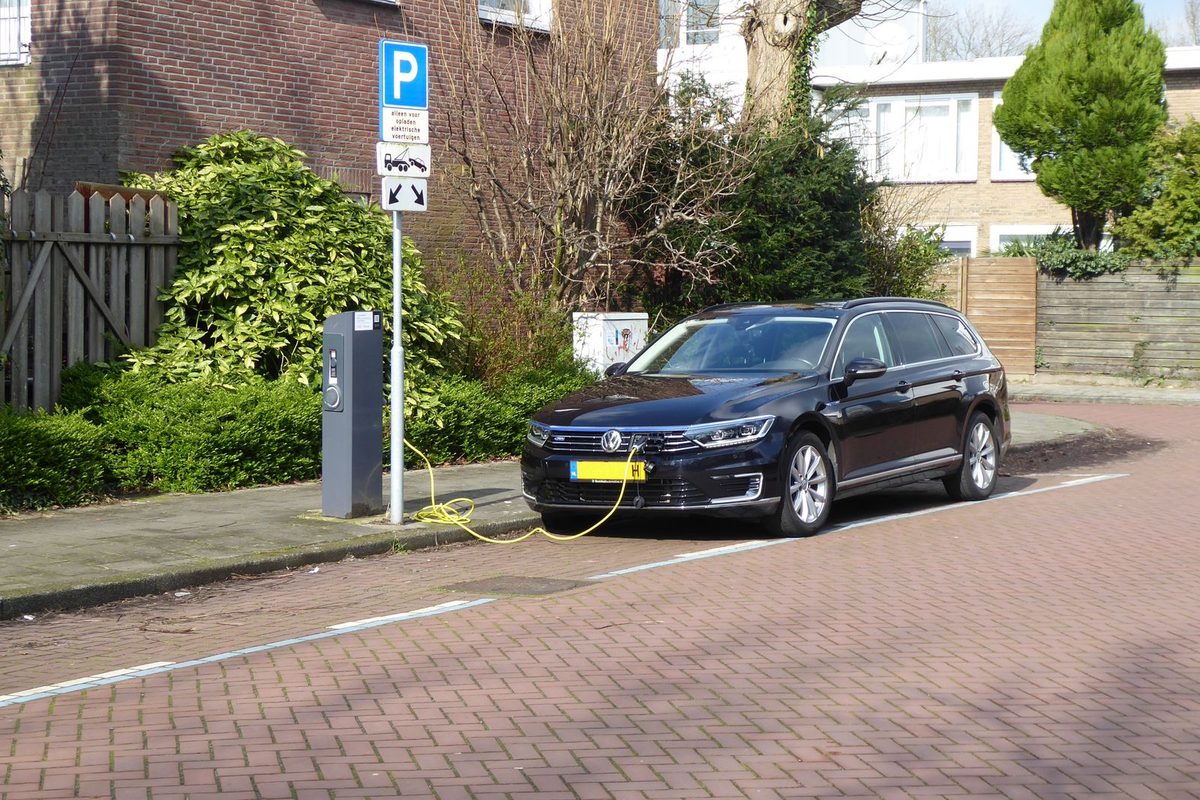
Most salary sacrifice perks died in 2017, when the rules changed so that the tax saved by giving up salary was clawed back on almost everything. Cars emitting 75 grams of CO2 per kilometre or less were left out of that change, which is why an electric car is now the one thing, other than a pension, that it is still worth paying for out of gross salary. The saving is large, the catches are real, and both are arithmetic.
How the benefit is taxed
A company car is taxed as a benefit in kind: a percentage of its list price is added to your taxable income each year. For a fully electric car the rate is 4% for 2026/27. On a £40,000 car that is a taxable benefit of £1,600, costing £320 of tax a year at basic rate and £640 at higher rate. A petrol car of the same price might sit at 30%, a benefit of £12,000 and £4,800 of tax at higher rate. The gap between those two numbers is the whole scheme.
The rate is rising by a point a year for the next few years, so budget for it to reach around 7% by the end of the decade rather than assuming 4% for the life of the lease.
What the car actually costs you
Take a £600 a month lease, £7,200 a year, sacrificed from salary. Because the money comes off before income tax and National Insurance, your take-home falls by less than £7,200. You then pay income tax on the £1,600 benefit. What is left is the real cost:
| Salary | Take-home falls by | Tax on the benefit | Real cost a year | A month | Saving vs paying from net pay |
|---|---|---|---|---|---|
| £35,000 | £5,184 | £320 | £5,504 | £459 | £1,696 (24%) |
| £55,000 | £4,522 | £320 | £4,842 | £403 | £2,358 (33%) |
| £105,000 | £3,176 | £640 | £3,816 | £318 | £3,384 (47%) |
The £105,000 row is the largest saving because the sacrifice pulls income back below £100,000, where the personal allowance taper makes every pound given up worth 62p in tax and NI. Someone on £95,000 gets the £55,000 row's saving, because they were never in the taper to begin with. The same effect helps anyone near the Child Benefit charge at £60,000.
Your employer saves too: 15% employer National Insurance on the salary given up, £1,080 a year on this lease, which is why many pass some of it back through a cheaper scheme price. Ask.
The 2017 rules tax the higher of the benefit and the salary given up. For a petrol car that wipes out the saving. For an electric car, the benefit is so small that the salary saving survives almost intact.
What the lease usually includes
Most schemes bundle insurance, servicing, tyres and breakdown cover into the monthly figure, and some include a home charger. Compare the scheme price with a personal lease plus those costs, not with the bare lease alone. On that basis the scheme is usually cheaper before the tax saving and much cheaper after it.
The catches
- Leaving. If you change jobs the car goes back, usually with an early termination charge that can run to months of payments. Some schemes insure against redundancy; few insure against resignation. Read that clause before anything else.
- Your pension and other pay-linked benefits. Some employers base pension contributions, life cover and pay rises on post-sacrifice salary. Check which. How sacrifice interacts with the pension.
- Mortgage applications and maternity pay both look at the lower salary. Time a scheme around either.
- Student loans fall too, by 9% of the sacrifice, £648 a year here, which is a saving if you will never clear the loan and a deferral if you will. Which you are.
- Minimum wage. Sacrifice cannot take pay below the National Minimum Wage, so the scheme is closed to lower earners in practice.
Who it is for
Someone who was going to run a newish car anyway, expects to stay put for the lease term, and pays higher-rate tax. For them the scheme is the cheapest way to run a car in the country. Someone on a modest salary who would otherwise drive a ten-year-old hatchback is not saving money by taking on a £600 lease at a discount; they are spending more, efficiently. The difference matters.
Put the lease into the salary sacrifice calculator as the sacrifice amount to see your own take-home fall, then add the benefit tax from the table above. The AI Wealth Assistant will tell you whether a car belongs in your budget at all before the tax question arises.