








The long game of building wealth

Invest

← Home

Low-cost, long-term investing for ordinary people. No stock tips, no timing the market, just the boring, evidence-based approach that quietly builds wealth over decades.

A broad old oak tree spreading across a green meadow

Invest · Planning

Long-Term Investment Plans: What to Use for 5, 10 and 25 Years

The right home for money depends on when you need it back. Over three years the choice barely matters; over 25 it is worth tens of thousands.

The City of London skyline across the river in afternoon light

Invest · Tax

Investing Outside an ISA: What the Tax Actually Costs

Once the £20,000 allowance is used, the next pound is taxed as you go. Over 20 years that takes a fifth of a higher-rate taxpayer's pot, most of it avoidable.

A small pair of red wellington boots on a doorstep

Invest · Children

Saving for Your Children, Properly

£21,600 of contributions becomes about £40,834 by eighteen. Where to put it, why the fund matters more than the account, and the rule that catches parents out.

A row of red-brick terraced houses under a cloudy sky

Invest · Income

Is a Global Income Trust Better Than a Global Tracker?

A yield is not a return. What the trust charges, what the dividends cost in tax, and the one case where the income version earns its keep.

A single seedling in a small terracotta pot

Getting Started

How to Invest Your First £1,000

The order that matters, the wrapper before the fund, and what it becomes with £100 a month behind it.

An empty railway platform on a still morning, the track running into the distance

Behaviour

Time in the Market Beats Timing It

Waiting five years to start cost £77,525 on £300 a month, for £18,000 less paid in.

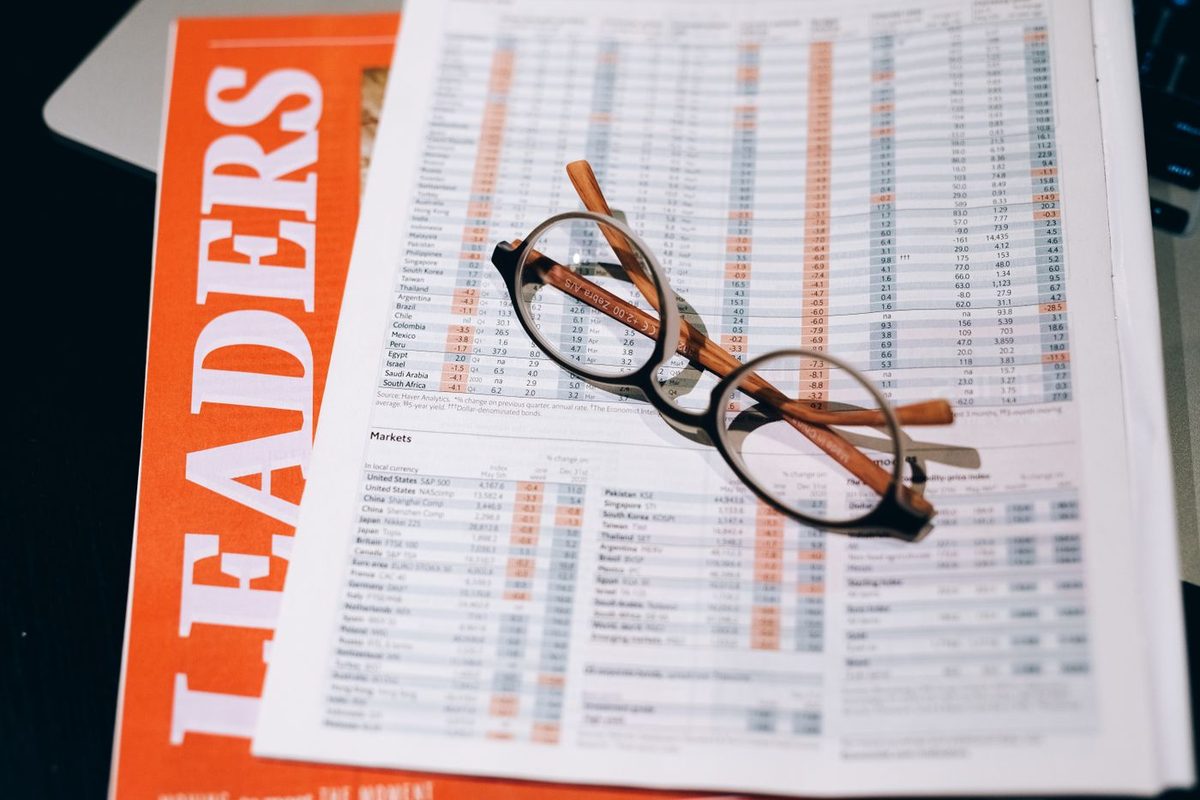
Reading glasses resting on printed pages of global market index tables

Invest

Diversification for Grown-Ups

Owning forty funds is not diversification. What actually spreads risk, what just spreads fees, and the four axes that matter.

Coins being poured into a glass savings jar

The Long Game

How to Actually Build Wealth in Your 30s: the Boring Plan That Works

The whole plan on one page: buffer, debt, match, index fund, automate.

A jar of coins labelled savings beside a calculator

Invest

ISA or Pension: Where Should Your Money Go First?

A clear decision framework, match, relief, and when you need the money.

Planet Earth showing continents and oceans, seen from space

Invest

Why a Single Global Index Fund Beats Almost Everyone Trying to Beat It

Low fees, total diversification, and the humility to do nothing.

A magnifying glass held over a balance sheet

Invest

The Hidden 1% Fee That Halves Your Pension Over 30 Years

The most expensive number in investing is the one you never see leave.

Where to start, in order

Investing well in Britain is mostly a matter of doing a few dull things in the right order. The sequence matters considerably more than which fund you finally pick, and most of the value is in the first two steps rather than the last.

  1. Clear expensive debt first. Paying off a card is a certain return at the card’s own interest rate, which is higher than any portfolio can be relied on to deliver. There is no fund that beats it. The order to pay debt off in.
  2. Use the wrappers before you pick investments. An ISA shelters up to £20,000 a year from tax on both growth and income, for as long as you hold it. If you are under 40 and saving for a first home, a Lifetime ISA adds £1,000 free for every £4,000 you put in, though the money is then tied to a house under £450,000 or a 25% penalty on the way out. What the Lifetime ISA is actually worth, and ISA or pension first.
  3. Drive the costs down. Charges are the one variable you control completely, and they compound against you exactly as returns compound for you. A single percentage point sounds trivial and is not. What a 1% fee does over a working life.
  4. Own the whole market rather than guessing. One global index fund gives you every listed company in every developed market, which is a harder thing to beat than it sounds. Why one global fund beats the professionals.
  5. Then leave it alone. The hard part is not the selection, it is continuing to contribute through the years when the number goes down. Put your own figures through the compound growth calculator to see what the contributions are doing versus the returns.

None of the above requires predicting anything, which is the point. The boring plan, start to finish.

Free Guide

Get the free Compound Playbook

Every core tip from Compound distilled into one clear PDF. Enter your email and we will send it over.

Free PDF. By requesting it, you agree we can email you the guide plus occasional tips and offers. Unsubscribe anytime. See our Privacy Policy.